
Below is the equipment I have used to make my photographs, along with the personal considerations behind my choices. Image quality, weight and ease of use all mattered to me. On a long photography trip, you certainly notice everything you carry.
Cameras
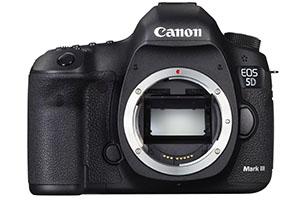
Canon EOS 5D Mark III
After I bought it, the EOS 5D Mark III became my most-used camera. Its controls suit me, and its sturdy construction gave me confidence on nature and urban exploration trips.
I also use Magic Lantern on this camera. Its additional features made certain ways of working easier for me.
Canon EOS 7D
The EOS 7D replaced my EOS 400D. At the time, I wanted a camera with more autofocus points, greater speed and a sturdier body.
For a long time, I used the 7D for almost everything, from wedding photography to urban exploration. Later, it became the regular companion to my 70–200mm lens. That combination suited me well for more distant subjects.

Lenses
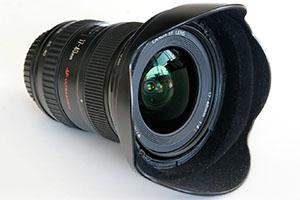
Canon EF 17–40mm f/4L USM
I liked taking this lens along for landscapes, buildings and large factory halls. Its relatively low weight was an important advantage: on those days, I often walked around with my equipment for hours.
For me, it offered a pleasing combination of wide-angle coverage, image quality and portability.
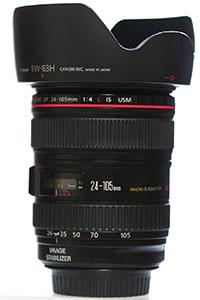
Canon EF 24–105mm f/4L IS USM
Together with the 5D Mark III, this lens made a versatile combination. Its zoom range suited trips where I encountered different subjects and didn’t want to keep changing lenses.
I appreciate its colour rendition and ease of use. Image stabilisation came in handy when I photographed handheld.
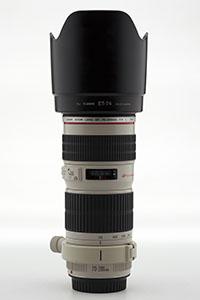
Canon EF 70–200mm f/4L IS USM
This telephoto lens gave me the reach I needed at a weight I was still comfortable carrying. I particularly enjoyed using it on the 7D.
I liked its sharpness, colours and background blur. Its light colour and large lens hood do make it a conspicuous lens to carry around.
Canon EF 100mm f/2.8 Macro USM
I use this macro lens for small subjects and details. It is my only lens outside the L series, but I am very happy with its image quality.
The combination of quality and price was decisive when I bought it. It proved a good choice for my macro photography.

Flash
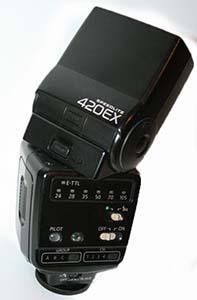
Canon Speedlite 420EX
I rarely used a flash. The Speedlite 420EX met my needs whenever I did need additional light.
When using it, I preferred bouncing the flash or fitting a Sto-Fen Omni-Bounce. That better suited the light I wanted in my photographs.
Filters and tripod
I use B+W filters:
- Digital MRC Nano XS-Pro UV, 67 and 77 mm.
- Circulair Polarising HTC MRC Nano XS-Pro Digital, 77 mm.
- ND 1000x (110) MRC F-Pro, 77 mm.
I used the polarising and neutral-density filters to work with reflections, light and longer shutter speeds. The UV filters mainly protected the front of the lens.
My tripod is a Manfrotto MT290XTC3 Carbon Fiber with an MHXPRO-BHQ2 ball head. I have a quick-release plate for each camera so that I could switch easily.
On the move
On photography trips, I carried my equipment in a small Lowepro backpack. For transport by car, I use a Nanuk 935 case to keep the equipment protected.
