
2013:
Although the title of my fourth blog may put people on the wrong track, it is time for Heavy Metal…
Because I missed photographing the decline of the steel industry in south-eastern Belgium, this factory was my first encounter with heavy metal industry.
This location is now more than well known in urbex photography circles. Many have a love-hate relationship with it, because getting inside the production halls so often proved just out of reach. The metal thieves have since discovered it too, and security has been stepped up considerably again.
On journeys to and from other locations, we almost invariably included Heavy Metal to see whether there was a way into the factory. Intensive security, apparently still directed by cameras at the time, or by footprints in the snow, made getting into the factory halls almost impossible.
Until early spring 2013, only a handful of people had managed to enter and leave the factory unseen. We chose a Belgian public holiday to try our luck, but also knew that two or three coils of NATO razor wire had recently begun to be laid around the perimeter.
After parking, we collected our things and walked towards the factory. A footpath brought us to a section of fence that had simply been cut away. The workers laying the concertina wire had ended their working day just before reaching that spot. A walk-in? It seemed too good to be true, and we ventured onto the site.
At the time, torpedo wagons were still on the grounds, and we ran towards them as quickly as possible to take stock. Everything seemed quiet, with nothing and nobody in sight. The dome cameras at all the strategic points felt a little unsettling, but we decided to take a chance and look for an entrance to the factory hall. We found one quite quickly. As the others unpacked their tripods, I suddenly broke into a sweat: in my enthusiasm, I had left mine in the car. Rarely have I been so annoyed with myself on an urbex trip. Finally inside the place I had wanted to visit for so long, and still unable to do anything. Going back for the tripod felt too risky, and later events would show that this was not without reason.
I made the best of it and tried taking a few shots indoors, but with the camera I had then, it was not really an option. I would have had to raise the ISO so high that the colour noise would have exceeded my own standards.
Anyone who has looked at photographs on my website knows that I also publish many images that leave something to be desired in their composition. When photographing an abandoned location, composition often takes second place to the story a photograph needs to tell. My photographic motto is also “Explore to conserve”. While exploring or visiting a location, I take photographs and, unlike many people with this hobby, I also publish pictures that are not actually beautiful but do say something about the place.
Walking around without a tripod also forces you to look at other objects and places. In that sense it was a challenge. To make indoor photographs even somewhat worth looking at, I had to use makeshift supports. It also forced me back outside the factory hall, where security patrols were driving around.
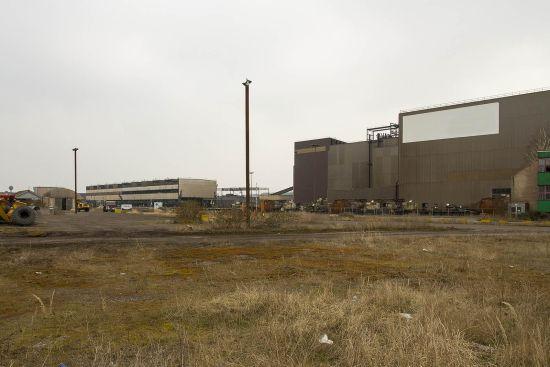
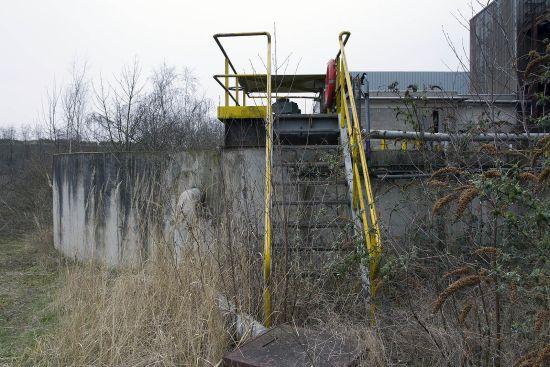
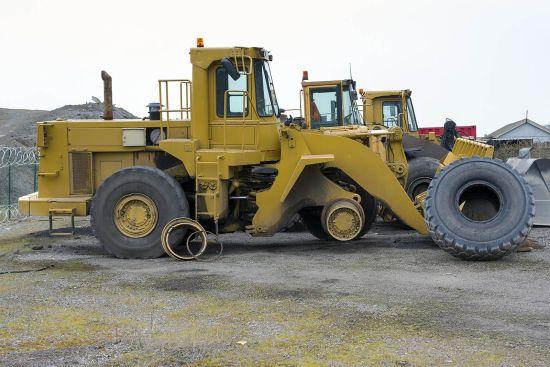


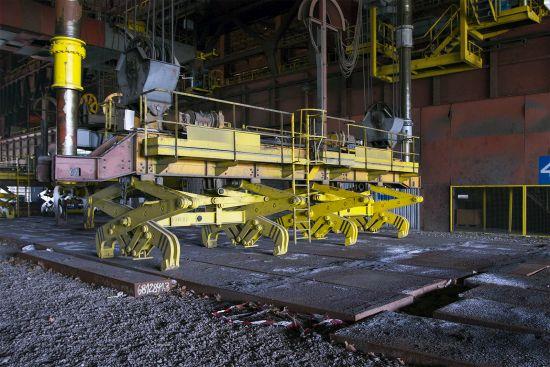
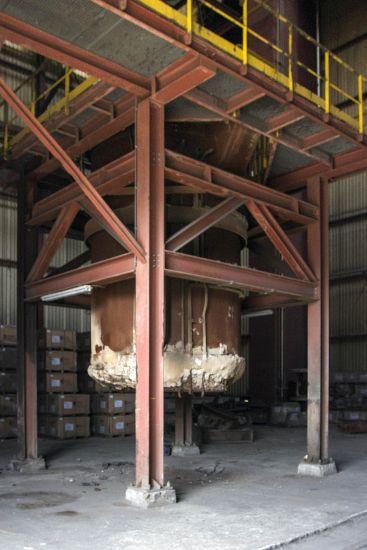
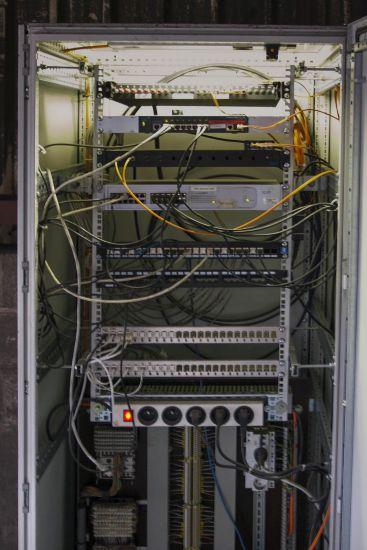
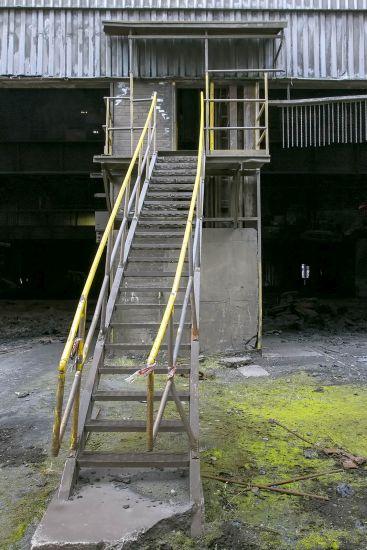

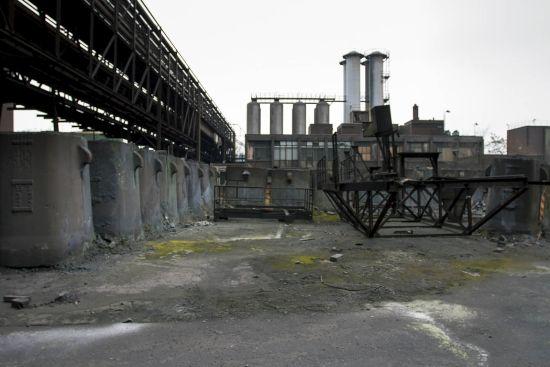
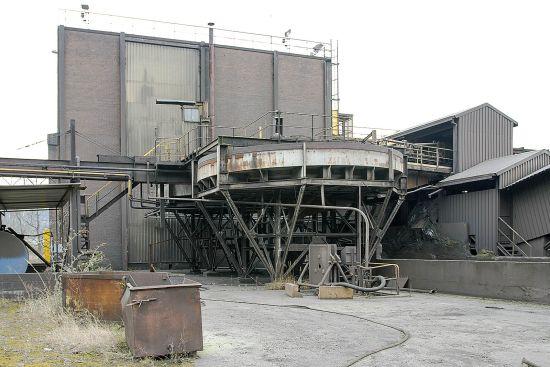
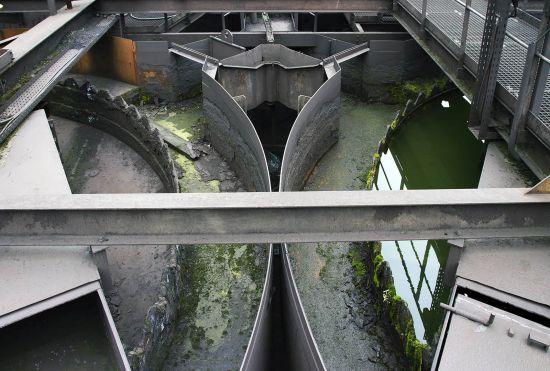


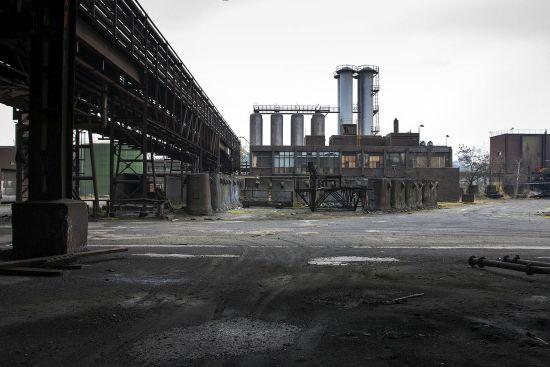
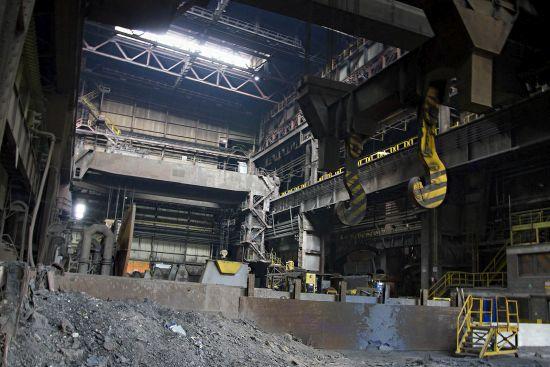


After wandering around for an hour or two, we decided that was enough. We could have spent several more hours there, but we also kept seeing a small white van driving around and knew those vehicles were used by G4S.
We left the halls the same way we had entered. One stretch of open ground still separated us from the exit, and just as we began crossing it, we saw a white van in the distance heading our way. Run! Just after we had got out through the cut fence, the van stopped at the top of the slope. We saw a guard step out and heard him shout something. Quickly back to the car, load our things and get away. We had these photographs, and nobody was taking them away from us.
2014:
Time passed, and Heavy Metal began to nag at me again, especially because I had recorded too little indoors. A few months later, my regular companion and I decided to try again. He could be my son in terms of age, but we share the same photographic interests.
Armed with a backpack, tripod and something to get over the concertina wire, we began checking the fence. Naturally, our previous way in and out was firmly closed. After walking through scrub and brambles for a while, however, we found another large hole in the fence. Even the concertina wire had been cut away there, so we took our chance. After crawling up a muddy, fifteen-metre-high embankment, we had a good view of the site. It had become a kind of Fort Knox: concertina wire surrounded not just the fence but also the factory, with two or three coils at every known entrance, depending on the spot. In the distance we could also see and hear trucks and bulldozers working, apparently already demolishing smaller outbuildings. The torpedo wagons had been removed, and bulldozers and all sorts of other things that had stood on the site were gone. From where we stood, negotiating the coils of wire would clearly take too long, with too great a risk of being caught. Not that it would have been a disaster, but you always try to avoid ending up at a police station, being questioned from start to finish again and having your name entered into another database. Our only option was to find another way onto the site, so we retreated and began a long walk around the perimeter. After almost three hours we were back at the car, concluding that Heavy Metal was firmly closed for the time being…
2015:
More than a year and a half later, photographs suddenly appeared on Flickr from people I knew had not been to Heavy Metal before.
One message to my regular companion later, another attempt was arranged.
Soon we were in the car again, heading for Heavy Metal. I parked where I had on the previous visits. We took our things and walked towards the place where we had slipped in before. Another hole had been made in the fence, so little effort was needed to get onto the grounds. We had chosen an official Belgian public holiday, so nobody was working on site. Having contacted one of the people I knew who had been there, I knew where we might get inside, and we quickly headed that way. Security seemed to be on a Sunday schedule too, because there was no sign of it. Walk, stop, look and walk on, until we reached the spot where the others had entered.
Damn, it was sealed: shiny concertina wire and a steel plate stood between us and a fine photographic location. All we could do was keep looking. Eventually we found a place where entry initially seemed impossible, but closer inspection showed that getting into the factory hall was actually easy. At least we were safe from security here. Guards are not allowed to enter closed factory halls alone, so once inside, you are safe. An urbex photographer who works for G4S had once shared this information on a forum, and we gratefully made use of it.
We had set aside the entire day to explore and were pleasantly surprised that, even after all those years out of use, the thieves had not yet struck here. The guards and security measures had evidently kept metal thieves away. There have been few locations where I took more photographs than on that day, and I have selected some to give you an impression of the factory:
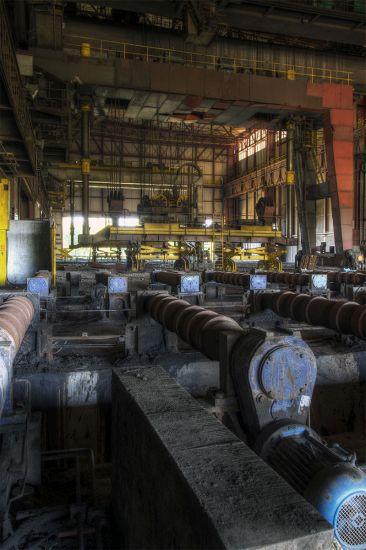
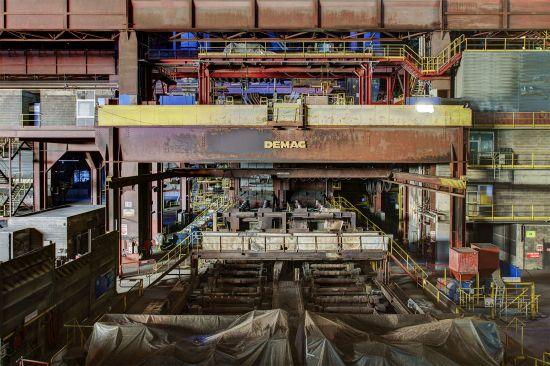

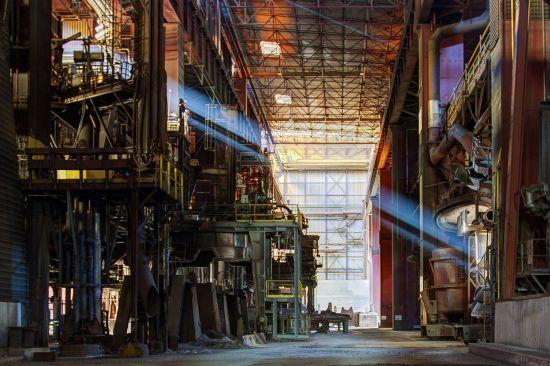
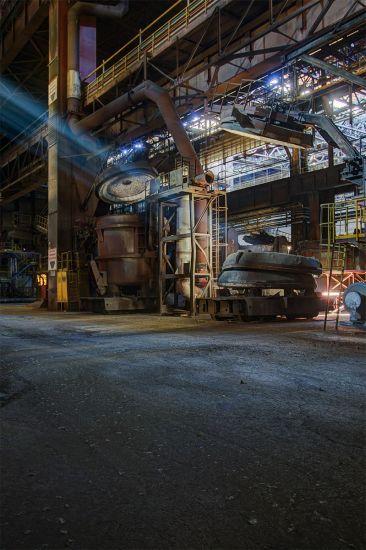
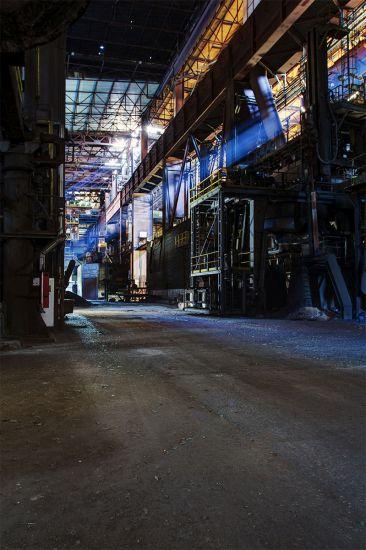
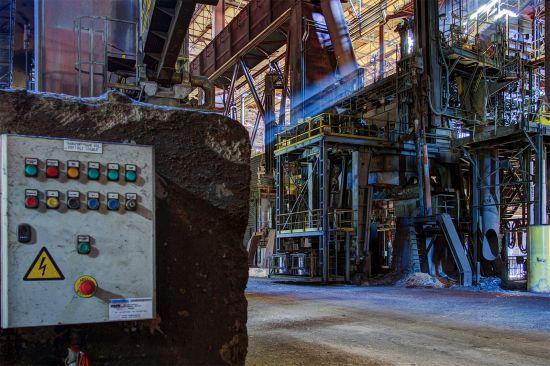
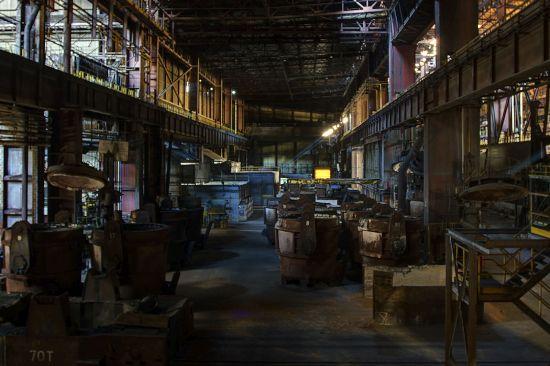
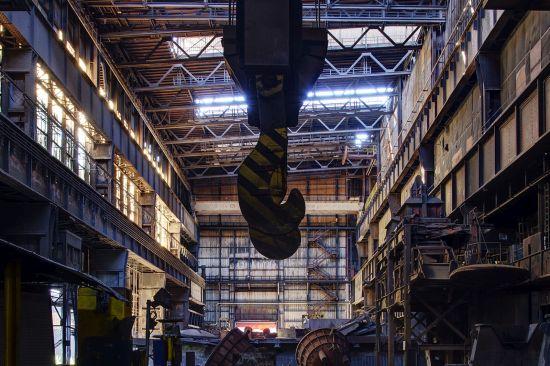
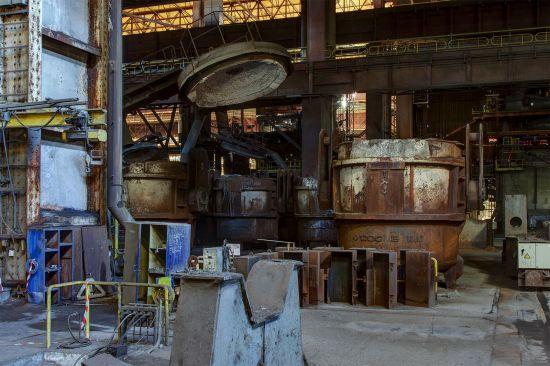
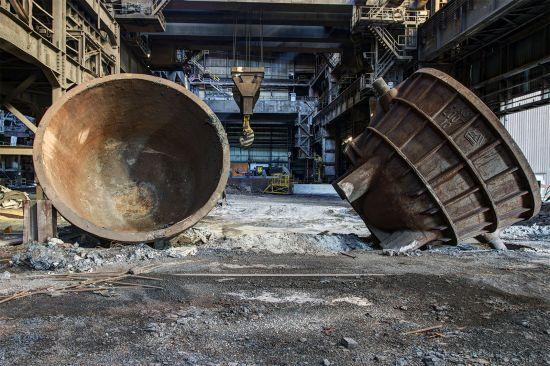
Another two and a half years have now passed and the location still exists, but since my last trip I have not returned to see its current condition. That last exploration also showed that photographing the outbuildings and other things had not been in vain: most of what I had photographed earlier had since been demolished or removed.
I know from others that thieves have since found their way into this factory too, so there are now plenty of stripped cables.
It has also become clear that the factory will not reopen, because the rest of the hot production line is idle too. Shortly after closure, there was still a glimmer of hope when a prospective buyer from the Far East came forward. Several production lines were then fully renovated and brought up to date. After a delegation from the Far East had inspected the whole line, they decided against the takeover after all.
Although the factory will never be used again, the guards and site security have been stepped up considerably once more. That costs money too. Experience suggests it is only a matter of time before the expense becomes too great and security is reduced again to the minimum needed to avoid liability for accidents on the site.
To get an impression of a factory like this in operation, take a look at my ArcelorMittal Ghent reportage. All the photographs are also available in high resolution: Heavy Metal (2013) and Heavy Metal 2015.
Comments